
Palm kernel oil
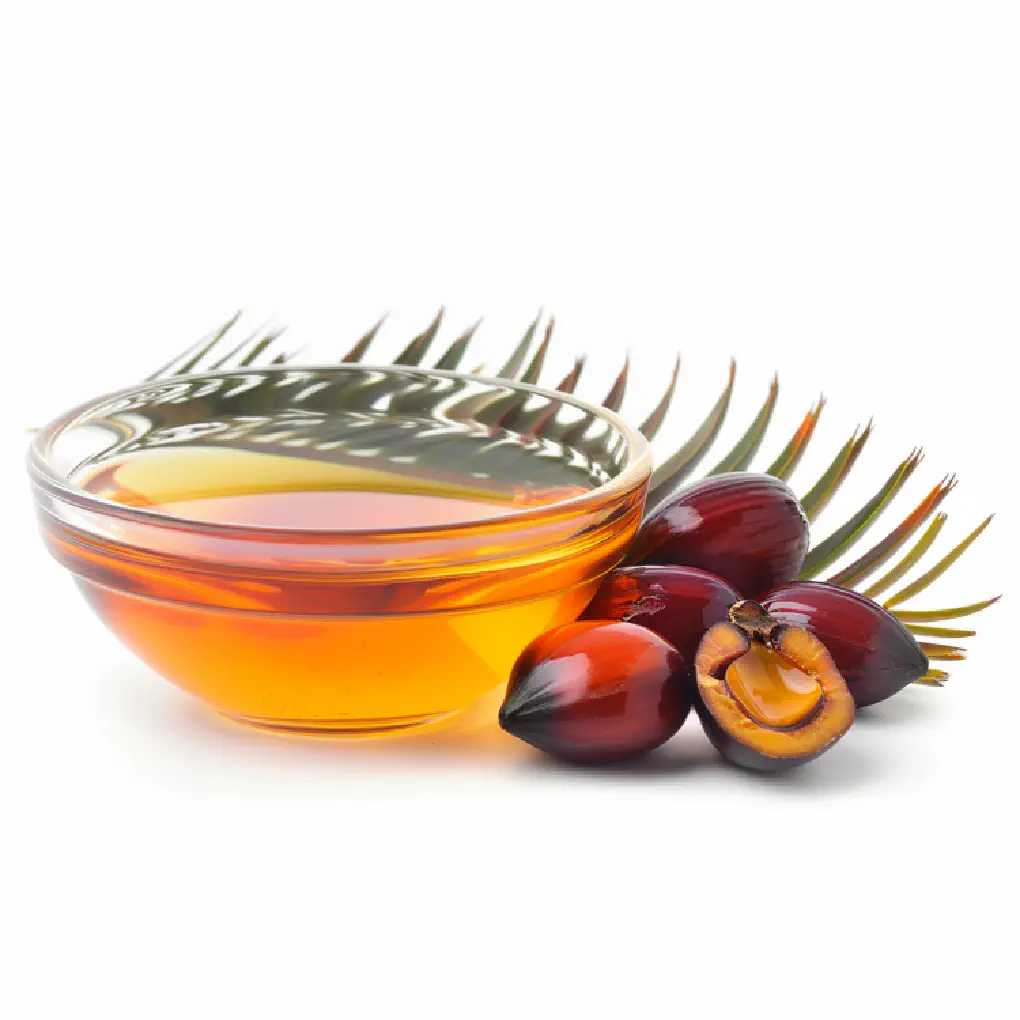
Palm kernel oil is derived from the kernel of the oil palm fruit and has distinct physical properties:
Applications
- Food Industry. Palm kernel oil is used in the food industry for a variety of purposes. It is commonly used as a cooking oil for frying and cooking due to its high heat stability. Palm kernel oil is also used as an ingredient in food products such as margarine, shortening, confectionery, bakery goods, ice cream, and chocolates. It acts as a texturizer, emulsifier, and flavor enhancer in these products.
- Personal Care and Cosmetics. Palm kernel oil is utilized in the production of personal care and cosmetic products such as soaps, lotions, creams, and shampoos. It is known for its moisturizing properties and ability to nourish the skin and hair. Palm kernel oil can help improve the texture, smoothness, and lathering properties of personal care products.
- Pharmaceuticals. Palm kernel oil is also used in the pharmaceutical industry for various purposes. It can be found in the formulation of certain medications, ointments, and suppositories. Palm kernel oil can serve as a carrier oil or an ingredient in pharmaceutical products, providing stability and aiding in the absorption of active ingredients.
- Biofuel. Palm kernel oil has gained attention as a feedstock for the production of biodiesel. It can be processed to produce biodiesel through transesterification, which is a renewable and environmentally friendly alternative to fossil fuels.
- Industrial Applications. Palm kernel oil finds usage in several industrial applications such as lubricant production, metal processing, and manufacturing of paints, inks, and coatings. Its properties, including high viscosity, lubricity, and stability, make it suitable for various industrial purposes.
Characteristics
- Appearance. Palm kernel oil is typically a light yellow to white solid at room temperature. However, when heated, it melts into a clear, yellowish liquid.
- Melting point. The melting point of palm kernel oil is higher than that of palm oil. It typically ranges from 23 to 28 degrees Celsius (73 to 82 degrees Fahrenheit). This relatively low melting point allows it to easily melt when exposed to heat.
- Density. The density of palm kernel oil is around 0.89-0.95 grams per milliliter, making it slightly less dense than water.
- Viscosity. Palm kernel oil has a relatively high viscosity, meaning it flows less freely. It is thicker and more consistent compared to some other oils. However, its viscosity decreases as the temperature increases.
- Solidification. At room temperature, palm kernel oil remains in a solid state due to its high saturated fat content. It solidifies into a creamy, white solid and retains its solid form even at relatively higher temperatures.
Request a quotation for palm kernel oil
Tell us the grade, quantity and destination — we'll come back with pricing & availability.
Request a quotation →